

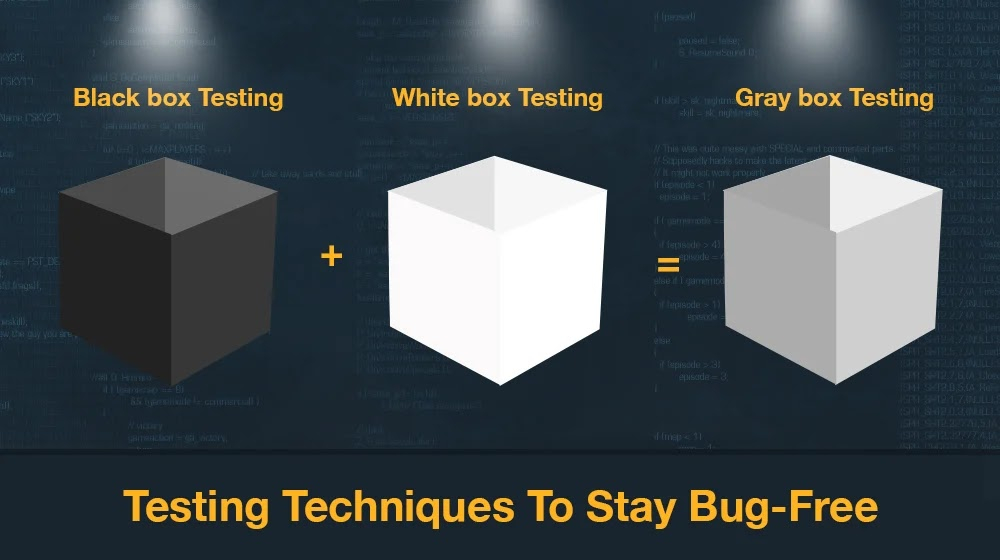
Penetration testing, often referred to as ethical hacking, is a critical component of cybersecurity. It involves simulating cyberattacks to identify vulnerabilities in systems, networks, or applications before malicious actors can exploit them. This guide explores the three primary penetration testing methodologies—Black Box, White Box, and Grey Box—detailing their approaches, advantages, challenges, and use cases.
What is Penetration Testing?
Penetration testing is a proactive security assessment where testers attempt to exploit vulnerabilities in a controlled environment to evaluate the security posture of a system. The goal is to uncover weaknesses, assess potential impacts, and provide actionable recommendations to strengthen defenses. The three main methodologies—Black Box, White Box, and Grey Box—differ in the level of information provided to testers and the approach they take.
Black Box Penetration Testing
Overview
In Black Box testing, testers have no prior knowledge of the target system’s architecture, code, or internal workings. They approach the system as an external attacker would, relying solely on publicly available information or what they can discover through reconnaissance.
Key Characteristics
-
Information Access: Testers have no internal access or documentation. They mimic an external hacker with no insider privileges.
-
Approach: Focuses on external attack vectors, such as web application vulnerabilities, network scanning, or social engineering.
-
Techniques: Includes port scanning, vulnerability scanning, phishing attempts, and exploiting misconfigurations or unpatched systems.
Advantages
-
Realistic Attack Simulation: Closely replicates how an external attacker with no insider knowledge would approach the target.
-
Unbiased Perspective: Testers rely on their skills to uncover vulnerabilities, revealing issues that might be overlooked in internal reviews.
-
Minimal Setup: Requires no internal documentation, making it quicker to initiate.
Challenges
-
Limited Scope: Without internal knowledge, testers may miss deeper vulnerabilities within the system’s architecture or code.
-
Time-Intensive: Reconnaissance and discovery phases can be slow, as testers must gather information from scratch.
-
Potential for Oversight: Critical vulnerabilities in internal systems or logic may go undetected.
Use Cases
-
Assessing external-facing assets like websites, APIs, or public-facing servers.
-
Simulating real-world cyberattacks from external threats.
-
Testing organizations with minimal internal documentation available.
Example Scenario
A company hires a Black Box tester to evaluate its public-facing e-commerce website. The tester uses tools like Nmap to scan for open ports, identifies a misconfigured server, and exploits a vulnerability in the web application to gain unauthorized access to customer data.
White Box Penetration Testing
Overview
In White Box testing, testers have full access to the system’s internal structure, source code, architecture, and documentation. This approach allows for a thorough examination of the system from an insider’s perspective.
Key Characteristics
-
Information Access: Testers have complete knowledge, including source code, network diagrams, and system configurations.
-
Approach: Focuses on in-depth analysis, such as code reviews, configuration audits, and testing internal logic.
-
Techniques: Includes static code analysis, debugging, reviewing access controls, and testing for privilege escalation.
Advantages
-
Comprehensive Coverage: Full access enables testers to identify vulnerabilities at all levels, including code, logic, and configurations.
-
Efficient Testing: Knowledge of the system reduces time spent on reconnaissance, allowing for deeper analysis.
-
Targeted Fixes: Detailed insights lead to precise recommendations for remediation.
Challenges
-
Less Realistic: Does not simulate an external attacker’s perspective, as testers have privileged information.
-
Resource-Intensive: Requires detailed documentation and cooperation from the organization, which may not always be available.
-
Potential Bias: Testers may focus on known areas, potentially missing unexpected vulnerabilities.
Use Cases
-
Auditing complex applications with intricate codebases, such as custom software or internal tools.
-
Assessing systems with high regulatory requirements, like financial or healthcare applications.
-
Conducting thorough security reviews during software development.
Example Scenario
A financial institution provides a White Box tester with access to its banking application’s source code. The tester performs a code review, identifies an insecure API endpoint, and demonstrates how it could be exploited to manipulate transactions.
Grey Box Penetration Testing
Overview
Grey Box testing strikes a balance between Black Box and White Box approaches. Testers have partial knowledge of the system, such as limited credentials, architecture overviews, or specific documentation, but not full access to code or configurations.
Key Characteristics
-
Information Access: Testers receive limited information, such as user credentials, network maps, or API documentation.
-
Approach: Combines external attack simulation with some internal insight, focusing on both user-level and system-level vulnerabilities.
-
Techniques: Includes testing with user privileges, analyzing application behavior, and exploiting misconfigurations with partial system knowledge.
Advantages
-
Balanced Perspective: Combines realistic attack simulation with deeper system insight, offering a practical approach.
-
Efficient and Targeted: Partial knowledge allows testers to focus on high-risk areas without needing full documentation.
-
Versatile: Suitable for a wide range of systems and scenarios, bridging the gap between Black Box and White Box.
Challenges
-
Limited Depth: May not uncover vulnerabilities as thoroughly as White Box testing due to restricted access.
-
Dependency on Information Quality: Effectiveness depends on the accuracy and relevance of the provided information.
-
Complexity in Planning: Requires careful scoping to balance external and internal testing components.
Use Cases
-
Testing web applications or APIs with limited user credentials.
-
Assessing internal networks with partial access, such as employee-level permissions.
-
Evaluating systems where full disclosure is not feasible but some insight is available.
Example Scenario
A company provides a Grey Box tester with user-level credentials to its internal HR portal. The tester uses these credentials to identify a privilege escalation vulnerability, allowing them to access sensitive employee data that should be restricted.
Comparing Black Box, White Box, and Grey Box
|
Aspect |
Black Box |
White Box |
Grey Box |
|---|---|---|---|
|
Knowledge Level |
None |
Full |
Partial |
|
Realism |
High (external attacker) |
Low (insider perspective) |
Moderate |
|
Depth of Testing |
Limited to external vulnerabilities |
Comprehensive, including code |
Balanced, user and system-level |
|
Time Efficiency |
Slower (reconnaissance-heavy) |
Faster (full access) |
Moderate |
|
Resource Requirements |
Minimal documentation |
Extensive documentation |
Partial documentation |
|
Best For |
External assets, attack simulation |
Code audits, complex systems |
Hybrid scenarios, user-level tests |
Choosing the Right Methodology
Selecting the appropriate penetration testing methodology depends on the organization’s goals, resources, and system complexity:
-
Black Box: Ideal for organizations seeking to understand external threats or with limited internal documentation. Best for public-facing assets like websites or APIs.
-
White Box: Suited for organizations with complex systems or regulatory requirements, where thorough code and configuration analysis is needed.
-
Grey Box: A versatile choice for organizations wanting a balanced approach, testing both external and internal vulnerabilities with limited access.
Best Practices for Penetration Testing
-
Define Clear Objectives: Establish the scope, goals, and rules of engagement to ensure testing aligns with organizational needs.
-
Use a Hybrid Approach: Combine methodologies (e.g., Grey Box with elements of Black Box) to maximize coverage and realism.
-
Engage Skilled Testers: Ensure testers are certified (e.g., CEH, OSCP) and experienced in the chosen methodology.
-
Leverage Tools and Automation: Use tools like Burp Suite, Metasploit, or Nessus to complement manual testing efforts.
-
Document and Remediate: Provide detailed reports with findings, impact assessments, and actionable remediation steps.
-
Conduct Regular Testing: Perform penetration tests periodically to address new vulnerabilities and evolving threats.
Penetration testing is a vital practice for safeguarding systems against cyber threats. By understanding the differences between Black Box, White Box, and Grey Box methodologies, organizations can choose the approach that best fits their needs. Whether simulating an external hacker, auditing code, or testing with partial access, each methodology offers unique benefits to strengthen security. Regular testing, combined with robust remediation strategies, ensures organizations stay ahead of potential attackers in an ever-evolving threat landscape.