










More Than Security
The CliffGuard Way
Legacy applications often sit at the core of critical business operations—but outdated architectures, unsupported technologies, and accumulated technical debt make them slow, insecure, and expensive to maintain. These systems are also prime targets for cyberattacks, compliance failures, and operational disruptions.
At CliffGuard Cybersecurity, our Legacy Application Modernization services modernize aging systems while embedding security, resilience, and compliance into every phase of transformation.
We help organizations evolve legacy platforms into secure, cloud-ready, scalable applications—without disrupting business continuity.
👉 We don’t just modernize applications — we modernize them securely.
Legacy Application Modernization is the process of transforming outdated applications, architectures, and technologies into modern platforms that support scalability, performance, security, and agility.
CliffGuard approaches modernization with a security-first and risk-aware mindset, covering:
This ensures modernized applications are not only functional—but secure, compliant, and future-ready.

🧠 Security-Driven Modernization from Day One: CliffGuard embeds security-by-design principles into every modernization initiative, ensuring risks are eliminated during transformation
⚙️ Engineering + Cybersecurity Alignment: CliffGuard aligns application engineering, infrastructure modernization, and cybersecurity into a single, unified transformation strategy
📜 Compliance & Governance Built In: Modernized applications are aligned with ISO/IEC 27001, SOC 2, PCI DSS, GDPR, and industry regulations, ensuring compliance readiness without additional retrofitting.
We analyze your legacy systems for technical debt, security gaps, performance bottlenecks, and compliance risks, creating a modernization roadmap aligned with business goals.
Legacy architectures are redesigned using secure-by-design principles, modern frameworks, and modular components to reduce attack surface and improve resilience.
We refactor or rebuild application components using modern, supported technologies, eliminating insecure libraries, outdated dependencies, and unsupported runtimes.
Applications are migrated or re-platformed to cloud or hybrid environments, with security controls aligned to cloud-native best practices.
We embed strong authentication, encryption, access control, and monitoring, ensuring modernized systems meet today’s security expectations.
Security is integrated into CI/CD pipelines to enable continuous testing, automated validation, and safer releases.
Modernized applications undergo security testing, performance validation, and compliance checks before production rollout.
🔓 Outdated Technologies & Unsupported Platforms: We eliminate reliance on end-of-life frameworks, runtimes, and operating systems
🔑 Weak Authentication & Access Control: We replace them with modern authentication, authorization, and identity controls aligned with today’s security standards.
🐛 Accumulated Vulnerabilities & Insecure Code: Modernization allows us to refactor or rebuild components securely.

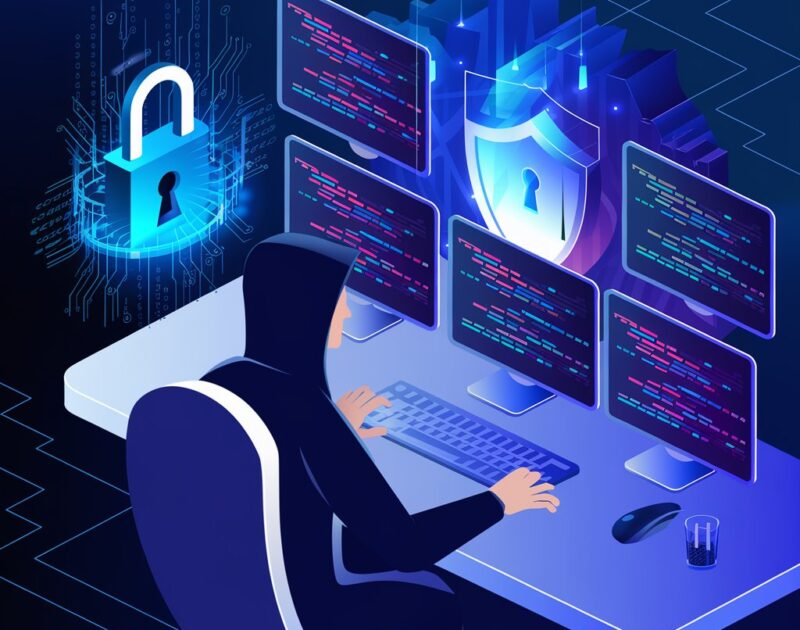
🛡 Improved Security Posture – Remove legacy vulnerabilities and unsupported components
🚀 Enhanced Performance & Scalability – Modern architectures scale with demand
☁️ Cloud Readiness – Enable cloud-native or hybrid deployments
📊 Compliance Enablement – Align with modern regulatory and security standards
⚙️ Reduced Operational Costs – Lower maintenance and infrastructure overhead
A: Legacy applications often introduce security vulnerabilities, outdated dependencies, weak authentication, poor data protection, and compliance gaps. Over time, these risks increase operational instability and exposure to cyber threats.
A: Yes. Secure modernization allows organizations to refactor or rebuild insecure components, remove unsupported technologies, and redesign architectures, effectively eliminating vulnerabilities that cannot be fixed through patching alone.
A: If legacy risks are ignored, they are simply carried into modern platforms, creating the same vulnerabilities in cloud or container environments—often with greater impact and complexity.
A: Secure modernization aligns applications with modern security and regulatory standards such as ISO/IEC 27001, SOC 2, PCI DSS, and GDPR by embedding security controls, audit logging, and governance during transformation.
A: Not always. CliffGuard evaluates whether refactoring, re-architecting, or selective rebuilding is the most effective approach—minimizing disruption while eliminating the most critical risks.
A: No. Secure modernization follows a phased, risk-controlled approach that preserves business continuity while reducing operational and security risk.
A: CliffGuard combines application engineering expertise with cybersecurity leadership, ensuring legacy risks are removed at the architecture, code, and platform level, not masked with temporary fixes.
Legacy systems shouldn’t limit growth or security. With CliffGuard, your applications are modernized, secured, and future-ready—without business disruption.
🚀 Start Your Legacy Application Modernization Journey Today. 🔒 Modernize securely. Reduce risk. Accelerate innovation.
Safeguard your legacy systems during modernization with CliffGuard. Security is embedded across application architecture, integrations, data layers, and deployment platforms from day one.