










From Adversary Insight to Action
Strengthening Defense
Cyber threats rarely emerge without signals. Threat actors, malicious infrastructure, exploit activity, malware campaigns, targeting patterns, and underground discussions can reveal intent and opportunity before an attack reaches critical systems. The challenge is separating relevant intelligence from the enormous volume of external threat data.
CliffGuard’s Cyber Threat & Adversary Intelligence Services deliver analyst-led intelligence focused on the threats most relevant to your organization. We track adversaries, investigate campaigns, correlate infrastructure and behaviors, assess targeting, and convert intelligence into actionable decisions for SOC, threat hunting, vulnerability management, incident response, and leadership teams.
Cyber Threat Intelligence (CTI) transforms external threat information into contextual intelligence about adversaries, campaigns, malicious infrastructure, vulnerabilities, malware, targeting activity, and emerging cyber threats relevant to an organization.
Adversary Intelligence goes deeper into the actors behind malicious activity—examining capabilities, motivations, infrastructure, historical operations, targeting patterns, operational behaviors, and relationships between campaigns. Conclusions are expressed with appropriate confidence rather than unsupported attribution.
CliffGuard focuses intelligence collection and analysis on enterprise-specific requirements. Instead of delivering generic feeds, we connect adversary activity with your technologies, industries, regions, external exposure, vulnerabilities, and critical business assets to explain who matters, what they are doing, and what your teams should do next.

🕵️ Threat Actor Intelligence – Track relevant adversaries, capabilities, motivations, targeting patterns, infrastructure, and operational activity.
🎯 Campaign & TTP Analysis – Analyze attack campaigns, behaviors, techniques, tooling, objectives, and evolving adversary tradecraft.
🌐 Malicious Infrastructure Intelligence – Investigate domains, IPs, hosting, certificates, infrastructure relationships, and attacker-controlled services.
🧨 Exploit & Vulnerability Intelligence – Assess active exploitation, attacker interest, weaponization, and vulnerability relevance to enterprise technologies.
🧬 Malware & Tooling Intelligence – Correlate malware families, loaders, tools, infrastructure, behaviors, and associated campaigns.
Define priority threats, intelligence questions, critical technologies, industries, regions, adversaries, and business concerns. Collect relevant information across trusted intelligence sources, open sources, infrastructure data, cybercrime ecosystems, research, and technical observations.
Enrich indicators, infrastructure, malware, vulnerabilities, campaigns, and actor activity with additional context. Connect isolated observations to historical operations, technical relationships, enterprise technologies, and known targeting patterns.
Evaluate source reliability, adversary capability, intent, targeting relevance, infrastructure relationships, exploit activity, and analytical confidence. Distinguish verified findings from plausible assessments and unresolved intelligence gaps.
Translate intelligence into priority alerts, detection opportunities, hunting hypotheses, blocking recommendations, vulnerability priorities, incident context, threat briefs, and executive assessments tailored to the teams receiving them.
Continuously follow relevant actors, campaigns, infrastructure, vulnerabilities, and behavioral changes. Refine intelligence requirements as adversaries evolve, business priorities change, and new intelligence gaps emerge.
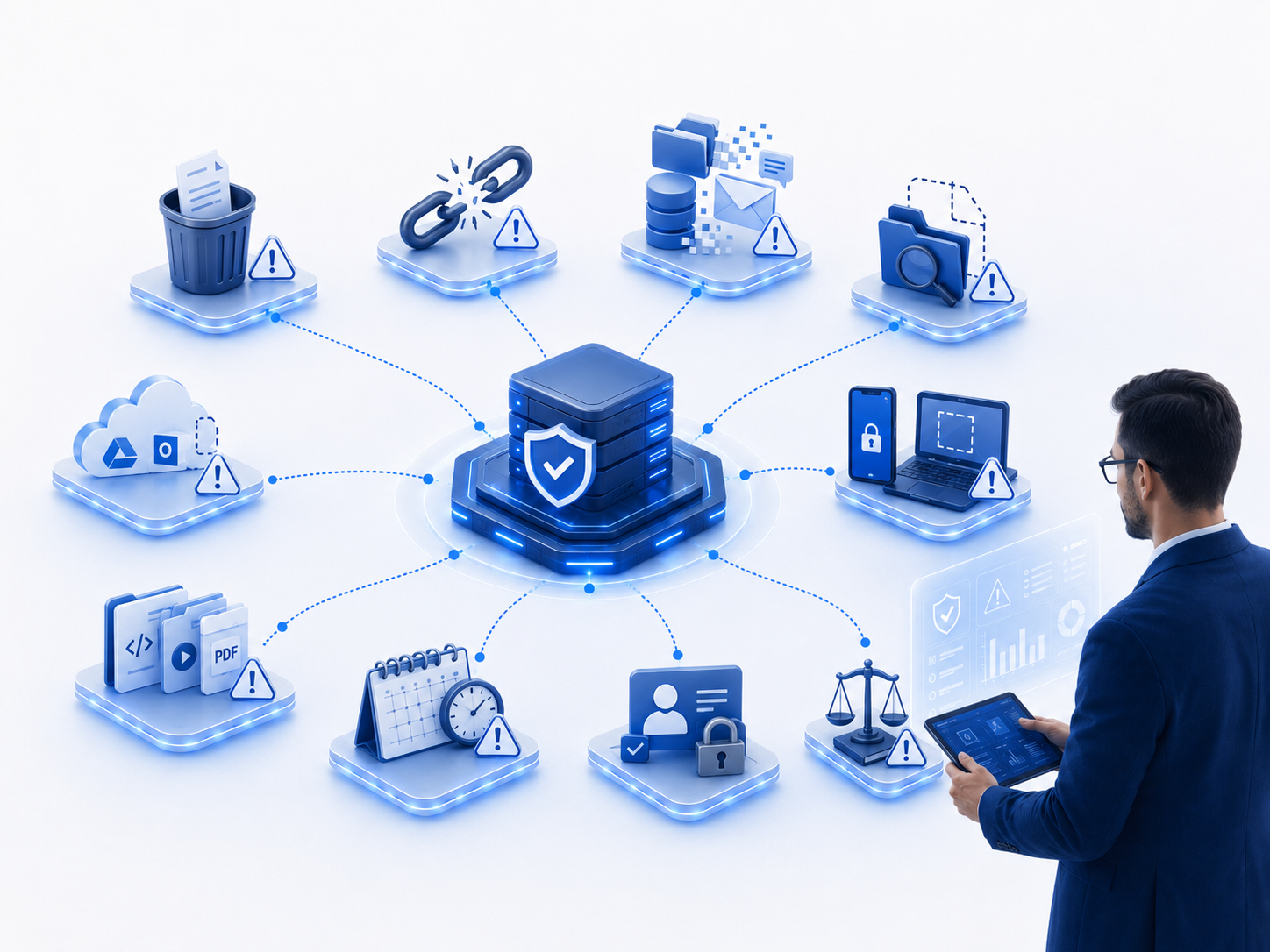
🌐 Threat Data Overload – Filter high-volume feeds, indicators, reports, and external signals into relevant intelligence.
🕵️ Adversary Visibility Gaps – Identify actors, campaigns, infrastructure, capabilities, and targeting relevant to the enterprise.
🎯 Unclear Threat Relevance – Connect external activity with business assets, technologies, industries, and geographic exposure.
🧩 Fragmented Intelligence Sources – Correlate technical, contextual, underground, infrastructure, and research intelligence across multiple sources.
🧨 Rapid Exploit Evolution – Track vulnerability weaponization, exploitation activity, attacker interest, and changing exposure priorities.
🧬 Changing Adversary Tradecraft – Identify evolving tools, infrastructure, techniques, behaviors, and operational patterns.
🔍 Attribution Uncertainty – Assess actor relationships and campaign links using evidence, confidence, and analytical caution.

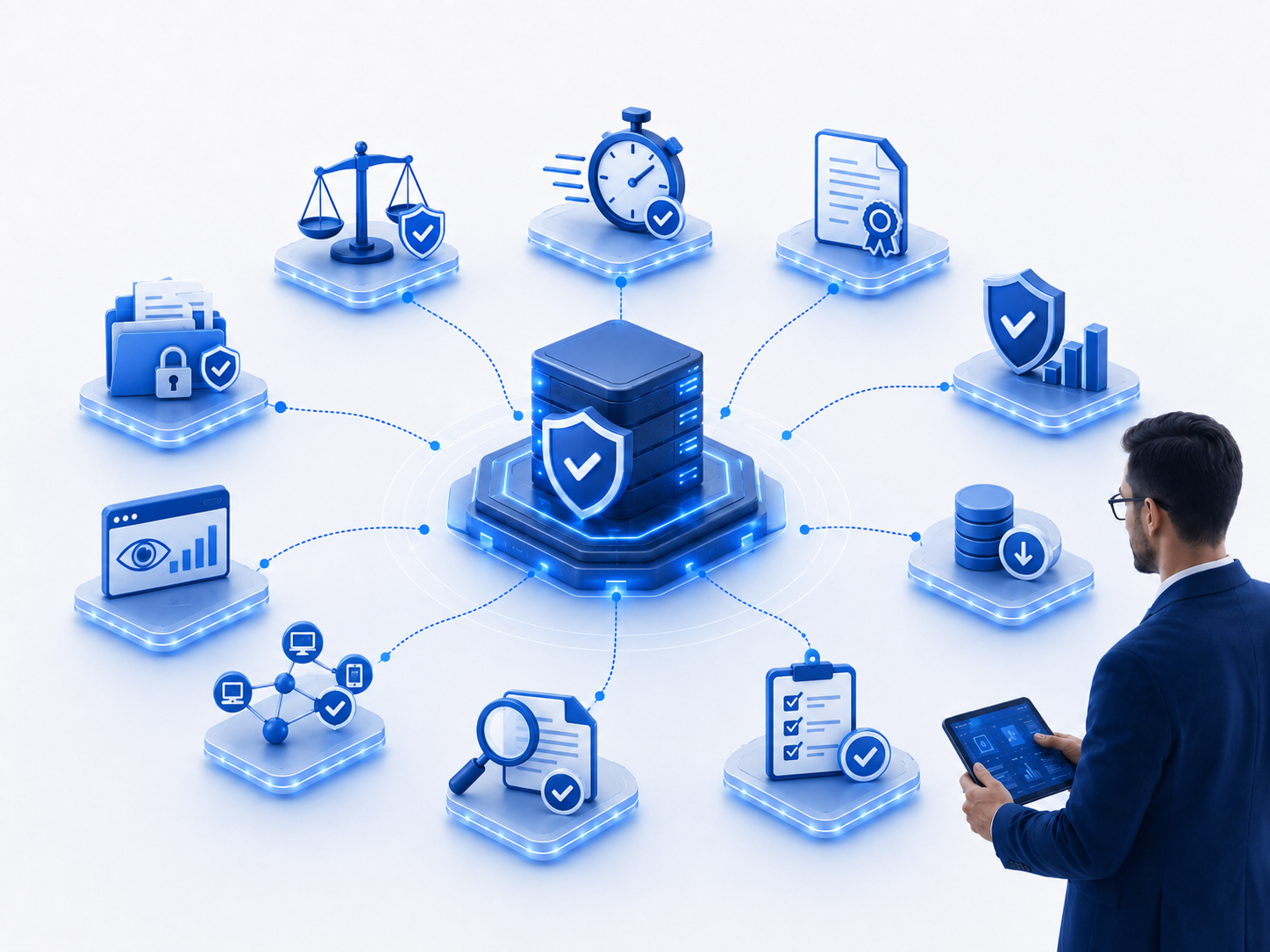
👁️ Greater Threat Visibility – Understand adversaries, campaigns, infrastructure, and threats relevant to your enterprise.
🎯 Sharper Security Priorities – Focus teams on threats with meaningful operational and business relevance.
⏱️ Earlier Threat Awareness – Identify emerging campaigns, exploitation, and targeting before broader escalation.
🛡️ Stronger Security Operations – Improve detection, hunting, incident response, and vulnerability prioritization.
🧠 Better Intelligence Decisions – Replace raw threat data with validated context and analytical confidence.
📊 Greater Executive Insight – Translate evolving adversary activity into understandable enterprise risk and priorities.
They collect, validate, analyze, and contextualize threat actors, campaigns, malicious infrastructure, exploits, malware, targeting activity, and emerging cyber threats to support enterprise security decisions.
Threat feeds primarily provide indicators and external observations. Adversary intelligence explains the actors, campaigns, capabilities, behaviors, targeting patterns, relationships, and context behind those signals, making them more useful for defensive action.
CliffGuard prioritizes adversaries based on industry targeting, geography, technologies, exposed assets, historical activity, business operations, and emerging threat patterns rather than monitoring every known actor equally.
Yes. Intelligence can provide adversary behaviors, infrastructure, malware context, hunting hypotheses, detection opportunities, and campaign indicators that help SOC teams investigate and detect relevant threats faster.
CliffGuard adds context such as active exploitation, attacker interest, exploit maturity, affected technologies, campaign usage, and enterprise relevance, helping teams distinguish urgent vulnerabilities from lower-priority exposure.
CliffGuard can assess relationships between infrastructure, malware, behaviors, campaigns, and known adversary activity, but attribution is presented with appropriate analytical confidence and limitations rather than as certainty without sufficient evidence.
Deliverables may include priority intelligence alerts, threat-actor profiles, campaign assessments, infrastructure intelligence, exploit advisories, hunting leads, detection recommendations, strategic briefs, and executive threat assessments.
CliffGuard combines cyber threat intelligence, adversary analysis, campaign tracking, malicious infrastructure research, exploit intelligence, and analyst-led correlation to identify relevant threats, eliminate noise, and give security teams the context needed for faster, more confident action.
Know which threats deserve attention before they become incidents. CliffGuard connects adversary activity, campaigns, infrastructure, exploits, malware, and enterprise context to sharpen detection, accelerate hunting, prioritize vulnerabilities, and strengthen response decisions.