










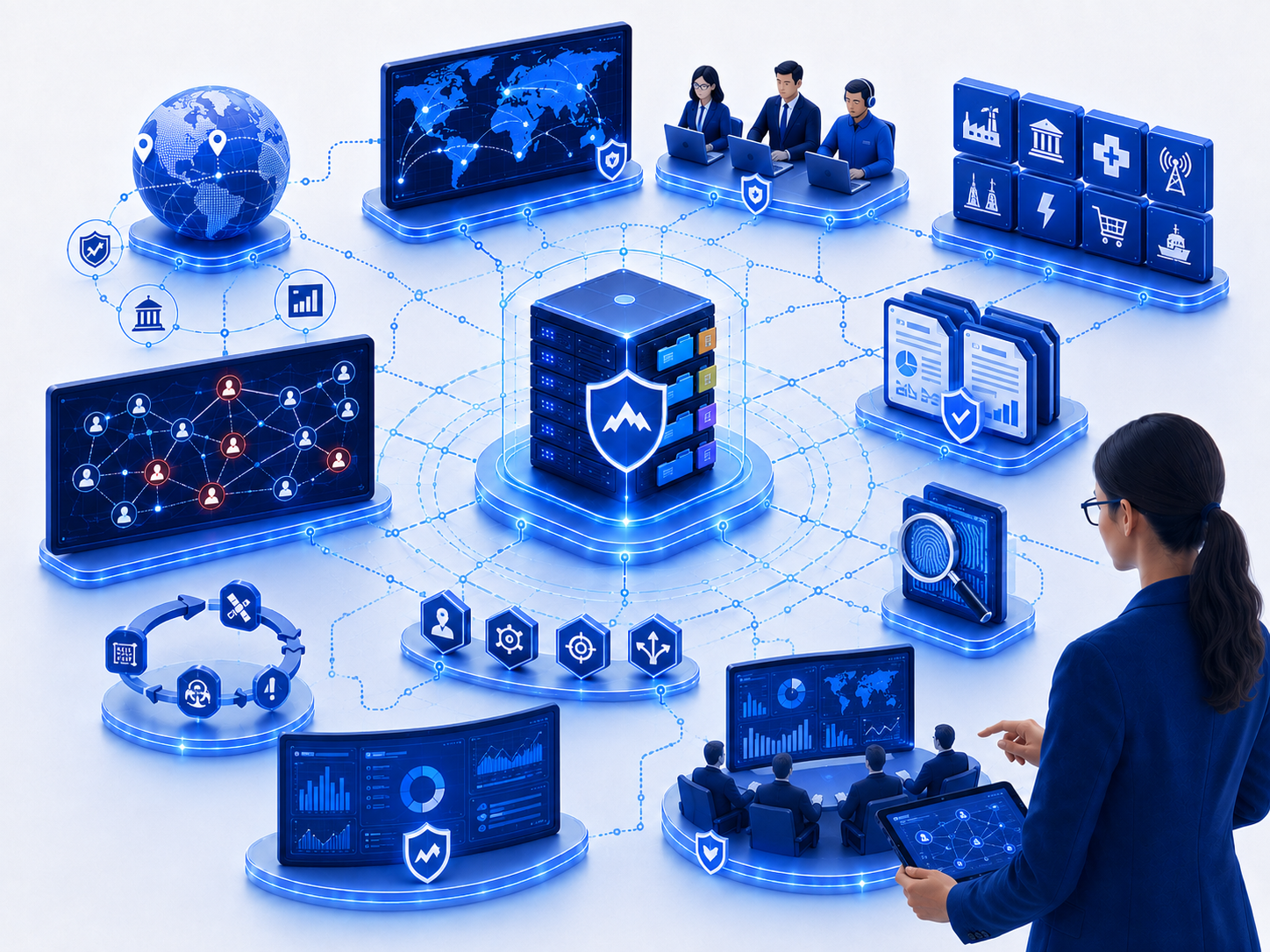
From Strategic Intelligence to Action
Strengthening Cyber Resilience
Cyber threats are increasingly influenced by geopolitical tensions, regional conflicts, nation-state activity, sanctions, strategic competition, hacktivism, and industry-specific targeting. These developments can rapidly change adversary intent, targeting priorities, operational risk, and the threat landscape facing enterprises and critical sectors.
CliffGuard’s Geopolitical & Sector Threat Intelligence Services combine geopolitical analysis with cyber threat intelligence to identify developments relevant to your organization. We track nation-state actors, regional cyber activity, sector-specific campaigns, strategic threats, vulnerabilities, and emerging geopolitical risks to support earlier and more informed security decisions.
Geopolitical Threat Intelligence analyzes how international relations, regional conflicts, sanctions, political instability, strategic competition, and major geopolitical developments can influence cyber threats against enterprises, governments, industries, and critical infrastructure.
Sector Threat Intelligence focuses on adversaries and cyber activity affecting specific industries such as financial services, energy, government, healthcare, manufacturing, technology, telecommunications, logistics, and critical infrastructure. It identifies relevant campaigns, vulnerabilities, malware, tactics, and targeting trends.
CliffGuard combines geopolitical analysis, threat-actor intelligence, campaign research, sector intelligence, infrastructure analysis, vulnerability context, MITRE ATT&CK mapping, and analyst assessment to distinguish meaningful strategic threats from general news, speculation, and low-relevance activity.
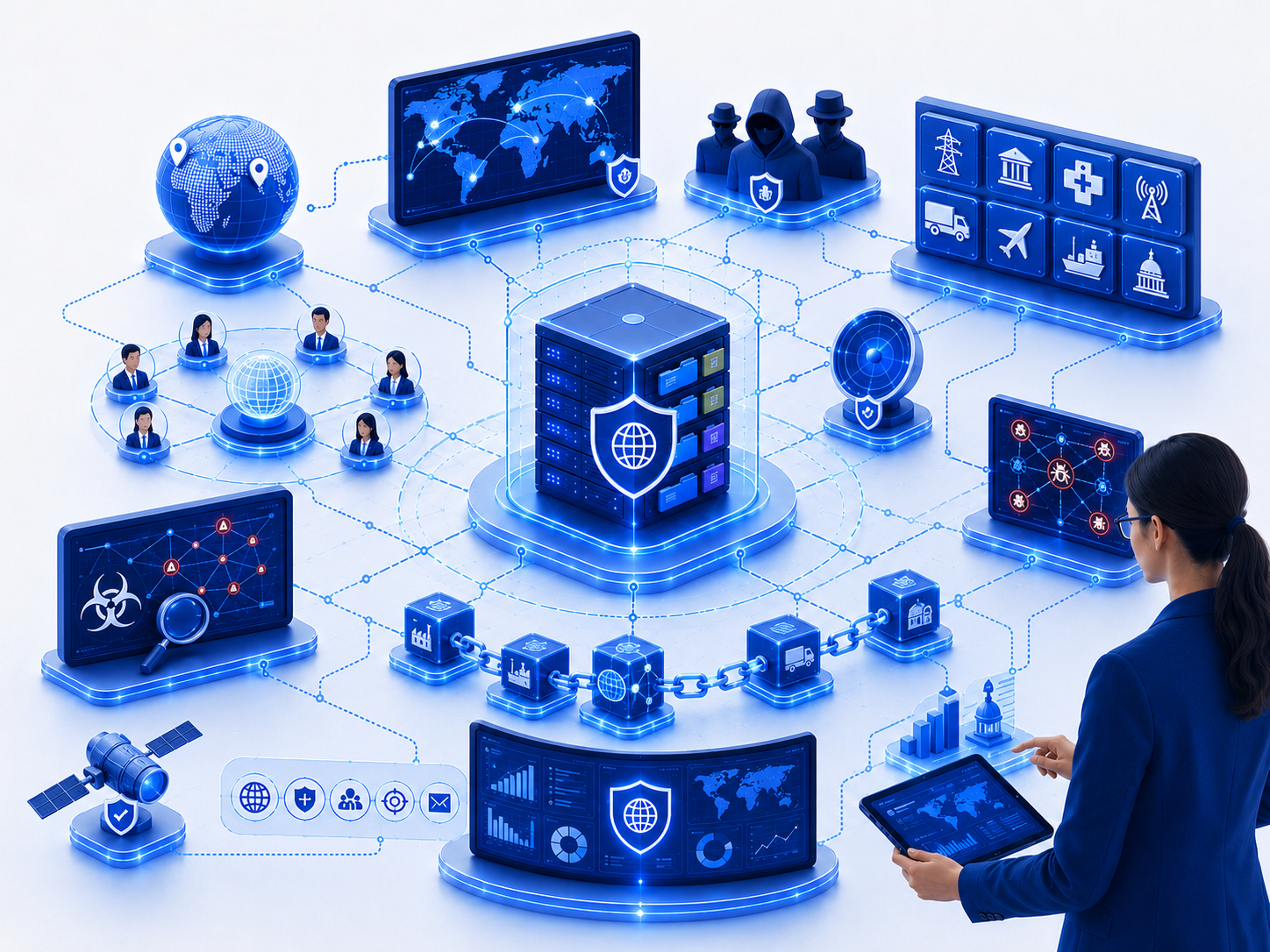
🌍 Geopolitical Cyber Risk Intelligence – Assess conflicts, sanctions, political developments, regional instability, and strategic events influencing cyber risk.
🎯 Sector-Specific Threat Intelligence – Identify adversaries, campaigns, vulnerabilities, attack patterns, and emerging threats affecting priority industries.
🕵️ Nation-State & APT Intelligence – Track state-sponsored actors, proxy groups, objectives, capabilities, targeting behavior, and associated operations.
🧬 Campaign, Malware & TTP Intelligence – Analyze cyber campaigns, malware, infrastructure, tactics, techniques, and procedures relevant to the organization.
🏭 Critical Infrastructure & Supply Chain Intelligence – Monitor threats across critical services, industrial systems, suppliers, and technology dependencies.
Define priority countries, regions, sectors, threat actors, critical assets, business operations, strategic dependencies, and intelligence questions. Align intelligence requirements with CISO, executive, operational, and business risk priorities.
Collect relevant intelligence from geopolitical developments, government reporting, sector sources, threat research, adversary activity, cyber campaigns, vulnerabilities, sanctions, conflicts, and trusted intelligence channels.
Organize, validate, and enrich collected information with actor profiles, infrastructure, malware, vulnerabilities, TTPs, sector targeting, regional context, historical activity, and enterprise exposure.
Assess adversary intent, capability, geopolitical drivers, sector relevance, likely targeting, cyber impact, and confidence. Produce strategic, operational, and tactical intelligence appropriate to the decision being supported.
Deliver priority alerts, geopolitical assessments, sector threat reports, actor intelligence, campaign analysis, defensive recommendations, and executive briefs to relevant security and leadership teams.
Evaluate intelligence usefulness, capture stakeholder feedback, and refine intelligence requirements, collection priorities, monitoring focus, and analytical assumptions as threats and geopolitical conditions evolve.
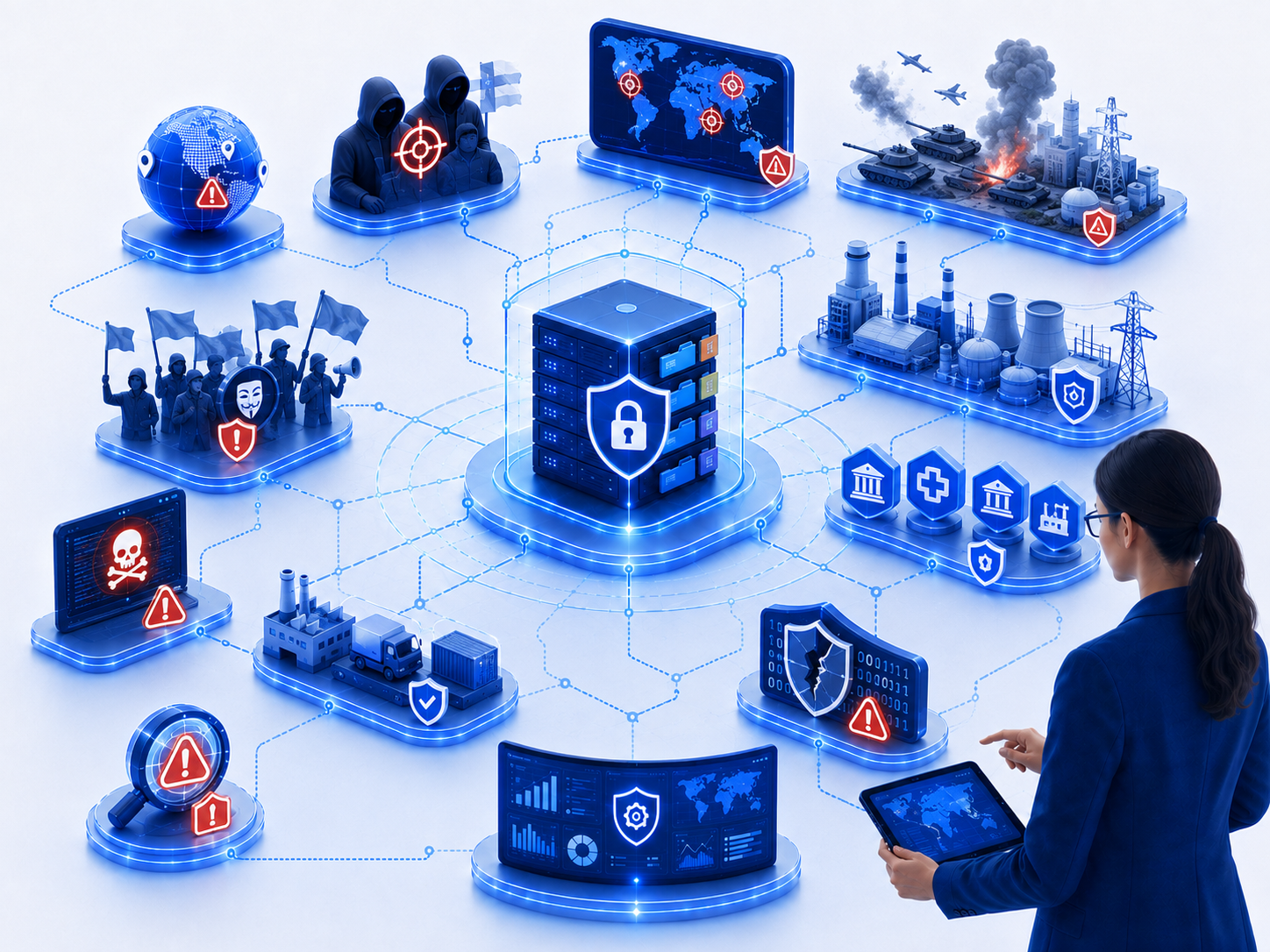
🕵️ Nation-State & APT Activity – Track state-sponsored actors, proxy groups, campaigns, and persistent sector targeting.
🌍 Regional Conflict & Cyber Spillover – Identify cyber threats from conflict, instability, diplomatic tensions, and regional escalation.
🏭 Critical Infrastructure Targeting – Monitor threats against energy, government, transportation, telecom, manufacturing, and essential services.
🎯 Sector-Specific Cyber Campaigns – Identify malware, ransomware, espionage, exploitation, and intrusions targeting industries.
🔗 Supply Chain & Dependency Risk – Monitor threats involving vendors, technology providers, software dependencies, and strategic suppliers.
📡 Hacktivist & Influence-Driven Activity – Track disruptive, ideological, retaliatory, and politically motivated cyber activity.
⚠️ Vulnerability Exploitation Trends – Identify vulnerabilities and exploitation affecting specific sectors or campaigns.
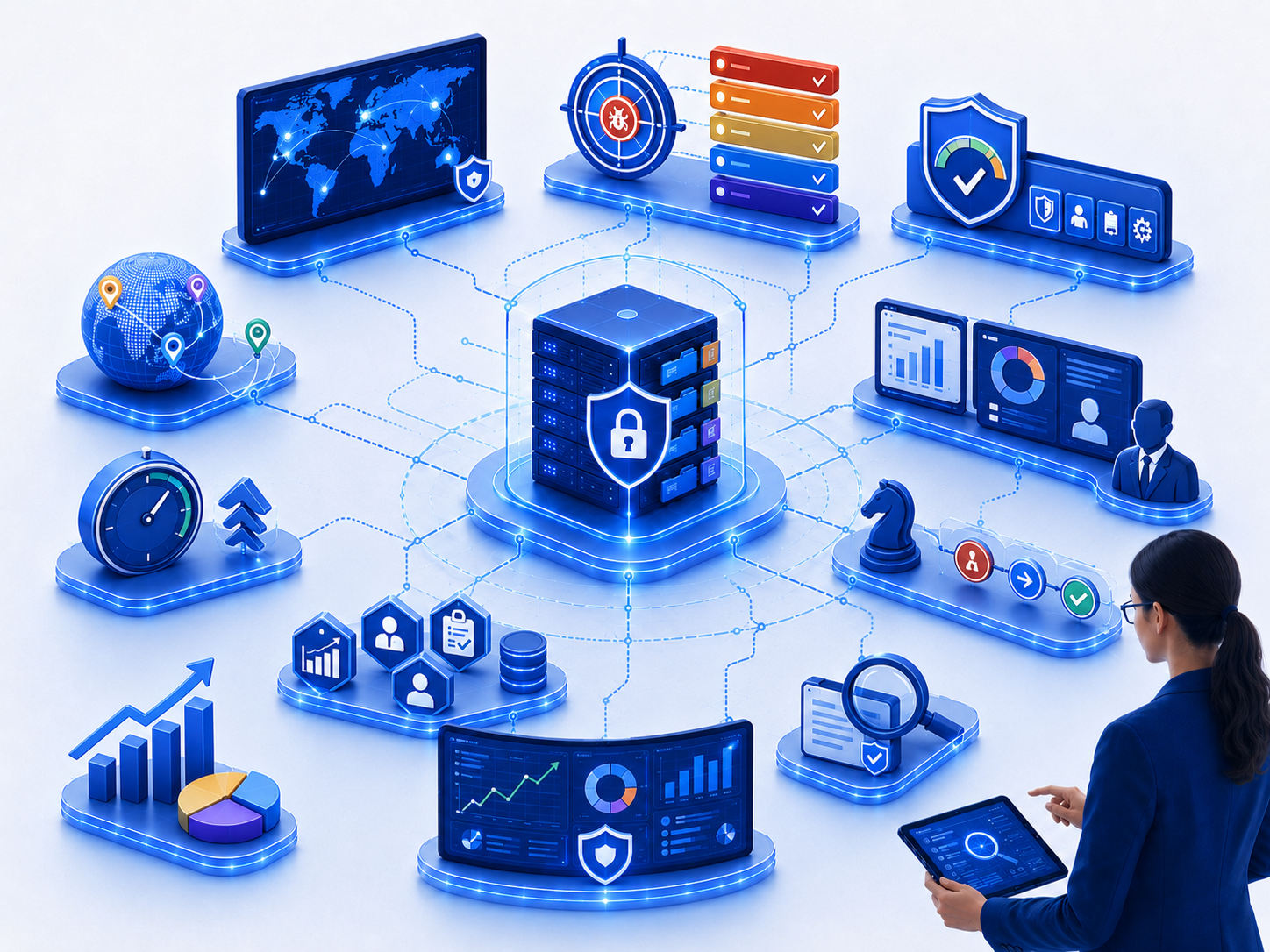
👁️ Earlier Strategic Visibility – Identify geopolitical and sector threats before they create operational impact.
🎯 Better Threat Prioritization – Focus defenses on adversaries and campaigns most relevant to the enterprise.
🛡️ Stronger Cyber Readiness – Prepare security controls for emerging regional and sector-specific threats.
🌍 Improved Regional Awareness – Understand how global events may affect operations, suppliers, and digital assets.
⚡ Faster Security Decisions – Provide actionable context for response, planning, and defensive priorities.
📊 Clearer Executive Insight – Translate complex threats into business risk and strategic priorities.
They analyze geopolitical developments, nation-state actors, sector-specific threats, cyber campaigns, vulnerabilities, and regional risks to determine their potential impact on an organization’s security and operations.
Relevant developments can include regional conflicts, sanctions, diplomatic tensions, political instability, strategic competition, regulatory actions, elections, and major international events that may influence adversary behavior.
Coverage can include government, financial services, energy, healthcare, manufacturing, technology, telecommunications, logistics, e-commerce, and other critical or high-risk industries.
Yes. Intelligence can cover state-sponsored actors, APT groups, proxy organizations, known campaigns, infrastructure, malware, TTPs, targeting patterns, and historical activity relevant to the enterprise.
CliffGuard correlates actor behavior, campaigns, malware, infrastructure, vulnerabilities, targeting patterns, and tactics and techniques to understand how adversaries operate and which defensive priorities are most relevant.
General CTI covers broad cyber threats. Geopolitical & Sector Threat Intelligence adds regional, political, economic, industry, and strategic context to explain why particular threats may become more relevant to specific organizations or sectors.
Deliverables may include priority alerts, geopolitical assessments, sector threat reports, actor profiles, campaign intelligence, regional risk briefs, defensive recommendations, and CISO-ready executive reports.
CliffGuard combines geopolitical intelligence, sector threat intelligence, nation-state tracking, campaign analysis, malware intelligence, vulnerability context, and strategic threat assessment to help organizations understand how global developments translate into cyber threats against their operations, industries, and critical assets.
Understand how geopolitical events, adversary activity, sector targeting, cyber campaigns, vulnerabilities, and strategic dependencies may affect your organization. CliffGuard provides security leaders with the intelligence needed to anticipate threats, prioritize defenses, and make informed risk decisions.