











From Exposure Intelligence to Action
Reducing Identity & Data Risk
Enterprise identities and sensitive data increasingly exist beyond controlled security boundaries. Leaked credentials, exposed secrets, session tokens, API keys, confidential documents, source code, cloud data, customer information, and employee records can surface across external digital environments and create opportunities for account takeover, fraud, espionage, and data compromise.
CliffGuard’s Identity & Data Exposure Intelligence Services continuously discover, validate, correlate, and prioritize external exposure involving enterprise identities and sensitive information. We help organizations identify compromised credentials, exposed secrets, leaked data, vulnerable identities, public repositories, cloud exposure, and recurring data leakage before attackers can exploit them.
Identity Exposure Intelligence identifies externally exposed information associated with enterprise users, accounts, authentication systems, and privileged identities. This can include usernames, passwords, email addresses, credentials, tokens, API keys, secrets, authentication artifacts, and account-related exposure.
Data Exposure Intelligence identifies sensitive enterprise information appearing outside intended security boundaries, including confidential documents, customer records, employee information, PII, source code, configuration files, intellectual property, cloud data, and internal business information.
CliffGuard combines credential exposure monitoring, data leak intelligence, repository analysis, cloud exposure discovery, external intelligence, identity correlation, and analyst validation to distinguish genuine security exposure from stale records, duplicates, false positives, and low-risk information.

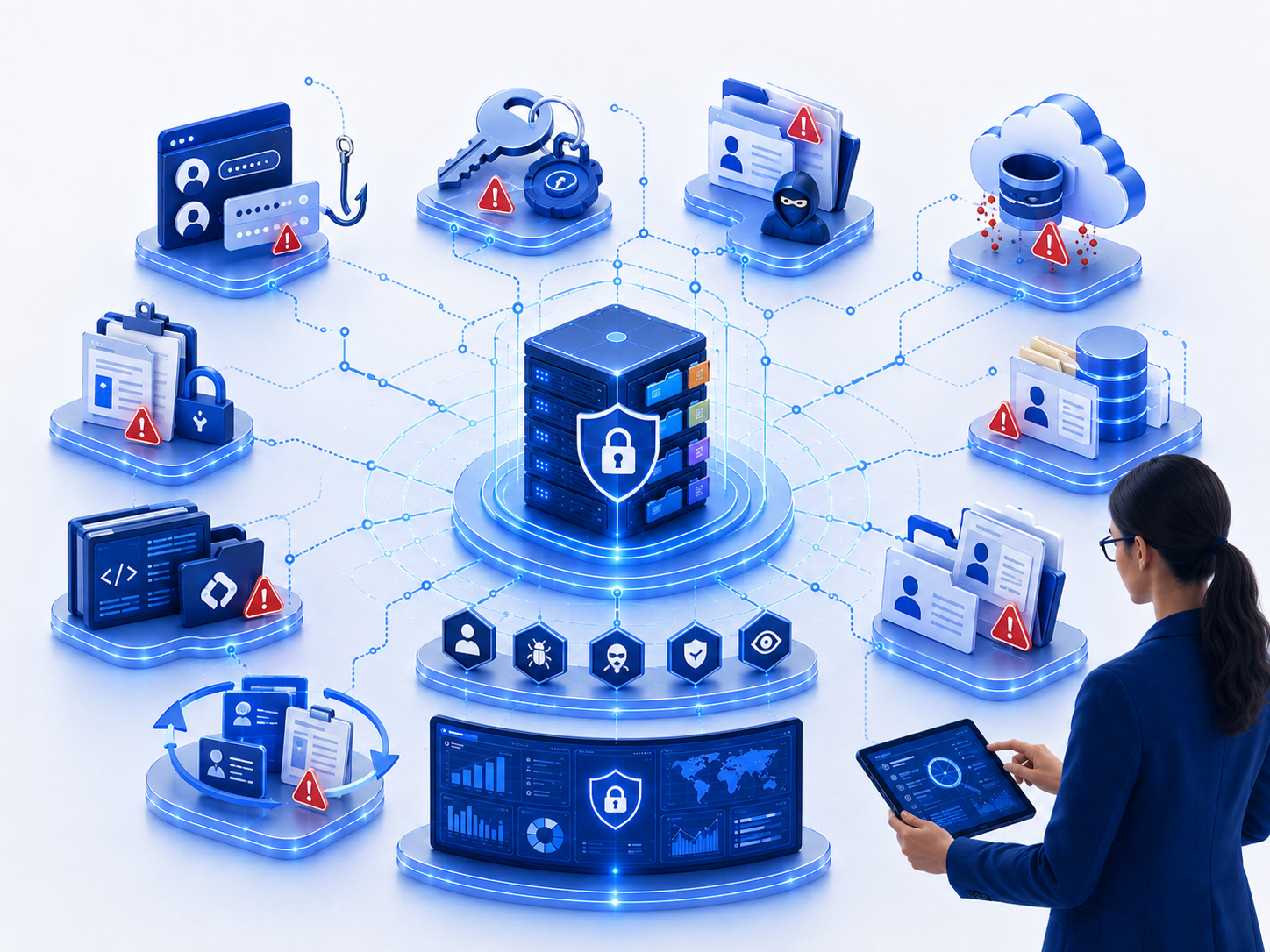
🔐 Credential & Account Exposure Intelligence – Detect exposed usernames, passwords, employee accounts, privileged identities, and compromised data.
🗝️ Secrets, Token & API Key Exposure – Identify leaked API keys, access tokens, credentials, private keys, connection strings, and embedded secrets.
📤 Sensitive Data & Document Intelligence – Discover confidential files, corporate records, customer information, employee data, PII, and proprietary content.
💻 Source Code & Repository Exposure – Identify exposed source code, configuration files, development artifacts, credentials, and sensitive repository content.
☁️ Cloud & Public Storage Exposure – Detect sensitive data exposed through cloud storage, public links, hosted services, and misconfigured repositories.
Establish critical identities, privileged accounts, executives, domains, data types, secrets, repositories, cloud environments, and sensitive business information. Focus monitoring on exposure with genuine security and business relevance.
Continuously identify relevant exposure across external sources, repositories, cloud resources, public storage, exposed services, breach-related sources, and authorized intelligence channels.
Assess authenticity, freshness, ownership, sensitivity, duplication, and organizational relevance. Enrich findings with identity context, domains, applications, repositories, timestamps, infrastructure, and exposure history.
Determine whether findings indicate active credential exposure, account takeover risk, leaked secrets, sensitive data loss, privileged identity exposure, or material business risk. Assign urgency based on validity, privilege, sensitivity, accessibility, and impact.
Deliver validated intelligence for password resets, token revocation, key rotation, access review, data removal, repository remediation, investigation, containment, and incident response while monitoring for recurring exposure.
🔐 Credential Exposure – Identify leaked usernames, passwords, corporate accounts, and authentication data that may enable unauthorized access.
🗝️ Secrets & Token Exposure – Detect API keys, session tokens, private keys, credentials, and other sensitive access material.
👤 Privileged Identity Exposure – Surface compromised administrator, executive, developer, service, and high-value accounts requiring urgent attention.
📤 Sensitive Corporate Data Leakage – Identify confidential documents, financial information, internal records, intellectual property, and proprietary data.
🧑💼 Employee & Customer Data Exposure – Detect PII, contact details, employee records, customer information, and identity-related data.
💻 Source Code & Repository Leakage – Identify exposed code, configurations, credentials, development files, and sensitive repository content.
☁️ Cloud & Public Data Exposure – Detect sensitive data exposed through cloud storage, links, resources, and repositories.
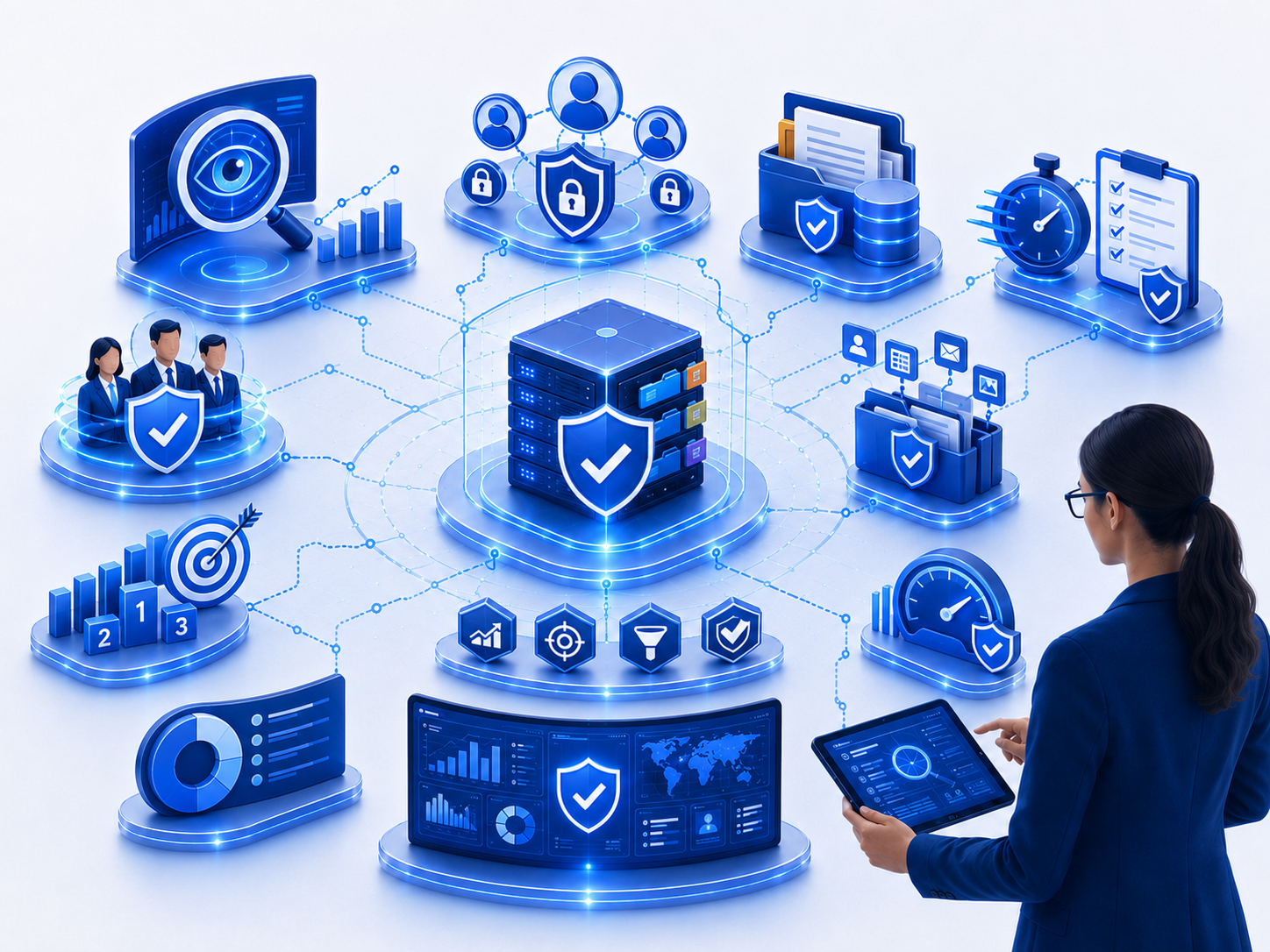
👁️ Earlier Exposure Visibility – Detect identity and data exposure before attackers can actively exploit it.
🔐 Reduced Account Takeover Risk – Enable faster credential resets, revocation, and access remediation actions securely.
📉 Lower Data Loss Risk – Identify sensitive information before wider misuse, leakage, or unauthorized exposure.
⚡ Faster Remediation – Give security teams validated findings and clear response priorities more quickly.
🎯 Better Risk Prioritization – Focus on sensitive, privileged, and genuinely actionable exposure risks.
📊 Clearer CISO Insight – Translate exposure into business risk, trends, and remediation priorities more clearly.
They detect, validate, and investigate exposed credentials, accounts, secrets, tokens, sensitive documents, source code, cloud data, PII, and other enterprise information appearing outside intended security boundaries.
Coverage can include employee credentials, privileged accounts, executive identities, corporate email addresses, usernames, passwords, API keys, access tokens, private keys, and other authentication-related exposure.
Yes. CliffGuard can identify exposed corporate credentials and identity context so teams can prioritize password resets, account review, session revocation, and investigation.
Yes. Monitoring can identify API keys, access tokens, private keys, connection strings, application credentials, and embedded secrets exposed through repositories, cloud resources, or external sources.
Analysts evaluate timestamps, source context, credential validity, organizational identifiers, duplication, exposure history, sensitivity, and supporting evidence before treating findings as actionable.
DLP primarily protects data within controlled enterprise environments. Dark Web Intelligence focuses on underground criminal ecosystems. Identity & Data Exposure Intelligence focuses on credentials, identities, secrets, and sensitive information exposed outside intended boundaries.
Deliverables may include priority alerts, credential findings, identity exposure intelligence, leaked-data assessments, secrets exposure, repository findings, remediation priorities, investigation leads, and CISO-ready reports.
CliffGuard combines identity exposure intelligence, credential monitoring, secrets discovery, data leak intelligence, repository analysis, cloud exposure monitoring, and threat validation to identify compromised identities and sensitive information, reduce account takeover risk, and prevent exposure becoming a security incident.
Beyond controlled environments, CliffGuard identifies exposed credentials, compromised accounts, leaked secrets, confidential documents, source code, cloud data, and sensitive information so security teams can validate exposure, prioritize remediation, investigate risk, and reduce recurring exposure.