










From Containment to Recovery
Reducing Business Impact
Cyber incidents involving ransomware, compromised identities, cloud intrusion, malware, lateral movement, and unauthorized access can escalate rapidly when investigation, containment, and decision-making are delayed. Effective response requires coordinated technical action, clear authority, and business-aware recovery priorities.
CliffGuard’s Incident Response & Containment Services help enterprises rapidly assess active threats, establish incident scope, contain attacker activity, eradicate malicious access, and coordinate secure recovery while minimizing operational disruption and business impact.
Incident Response & Containment Services provide structured support for identifying, analyzing, containing, eradicating, and recovering from cybersecurity incidents across enterprise environments.
Effective incident response coordinates security teams, IT operations, identity, cloud, network, application, legal, communications, and business stakeholders to control threats while protecting critical operations.
CliffGuard aligns response activities with NIST SP 800-61 Rev. 3, NIST CSF 2.0 Respond and Recover outcomes, CISA incident-response playbooks, and MITRE ATT&CK-informed adversary analysis.
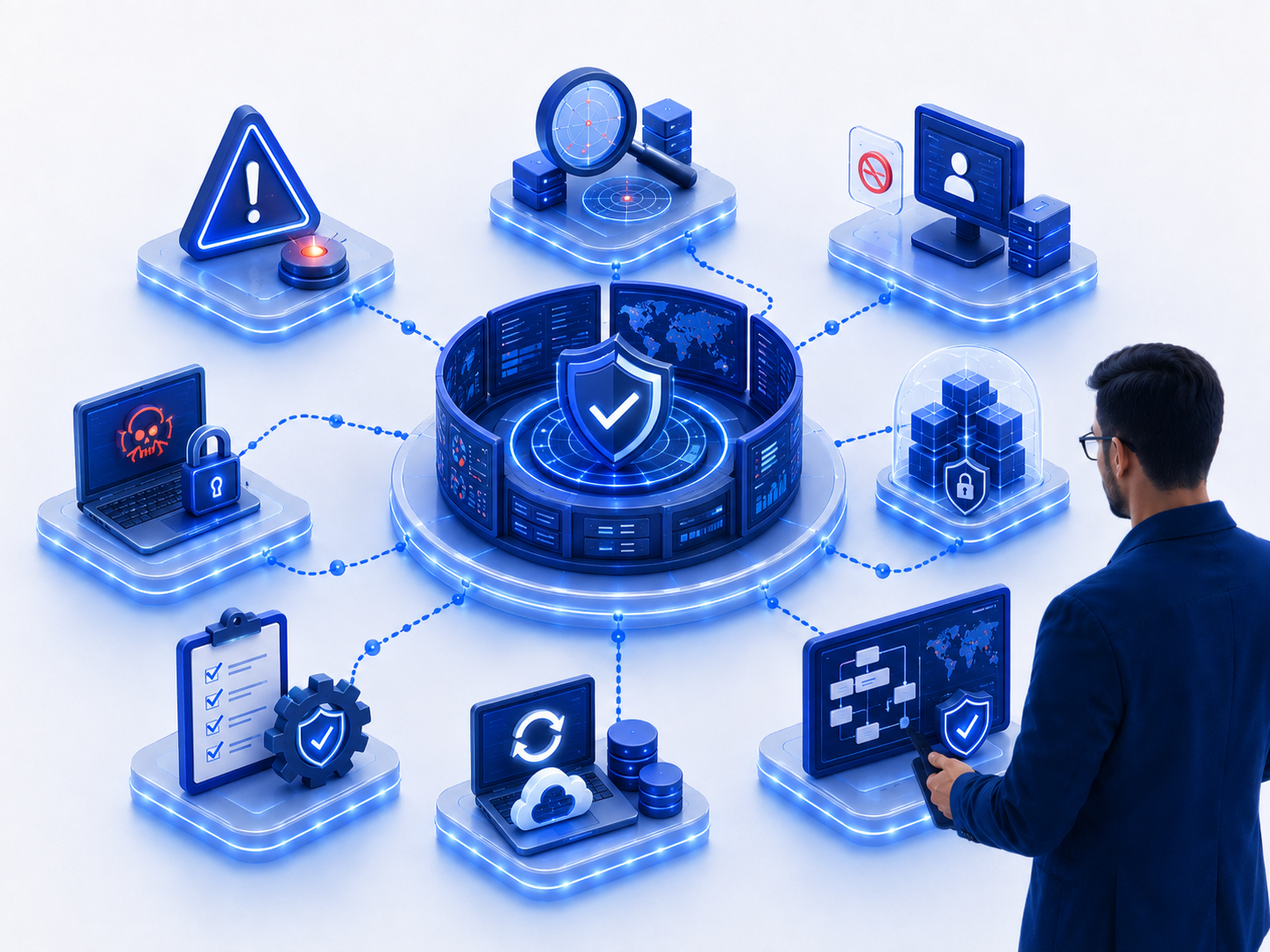
🚨 Emergency Incident Triage – Mobilize response, validate incidents, establish severity, prioritize actions, and coordinate stakeholders.
🔍 Incident Scoping & Analysis – Identify affected assets, identities, attack paths, persistence, and potential business impact.
🛡️ Threat Containment & Disruption – Isolate systems, restrict accounts, block malicious activity, and prevent further attacker movement.
🔐 Ransomware & Identity Response – Contain ransomware, credential compromise, account takeover, and privilege-abuse incidents.
🔄 Eradication & Recovery Coordination – Remove attacker access, remediate weaknesses, restore services, and validate secure recovery.
📋 IR Retainer & Readiness – Establish response procedures, escalation paths, playbooks, communications, and rapid-engagement readiness.
Confirm response authority, incident severity, critical assets, communication channels, escalation paths, and business priorities. Mobilize the appropriate technical and executive stakeholders while protecting response communications and operational continuity.
Validate suspicious activity, correlate available telemetry, identify affected systems and identities, establish timelines, and determine attack progression. Prioritize response according to business impact, asset criticality, threat activity, and containment urgency.
Execute approved containment actions such as endpoint isolation, account restriction, credential reset, malicious traffic blocking, access revocation, and segmentation changes. Limit attacker movement while avoiding unnecessary disruption to critical services.
Remove malicious access, persistence, compromised credentials, and identified attack paths. Coordinate remediation, service restoration, security validation, and controlled recovery before returning affected systems to normal operations.
Conduct post-incident review, document response decisions, identify control and coordination gaps, update playbooks, and strengthen future detection and response. This reflects NIST’s current integration of incident response across Detect, Respond, and Recover activities.
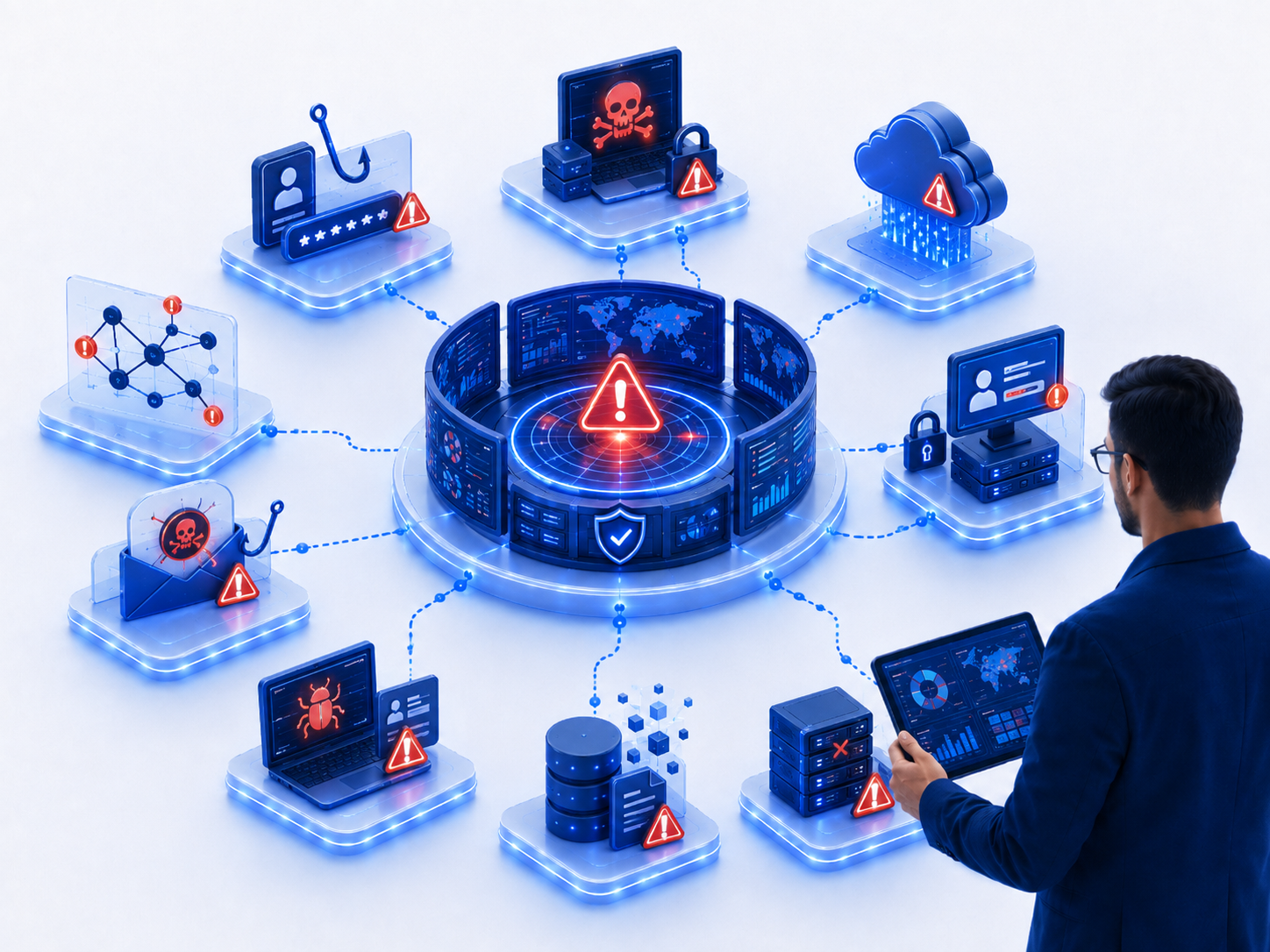
🦠 Ransomware Propagation – Contain malicious execution, encryption activity, persistence, and attacker expansion.
🔐 Compromised Identities – Restrict stolen credentials, abused accounts, privileged access, and authentication threats.
🔗 Lateral Movement – Disrupt remote execution, trust abuse, credential reuse, and attacker propagation.
⚙️ Persistent Attacker Access – Remove persistence mechanisms, unauthorized access paths, and recurring compromise.
☁️ Cloud Compromise – Contain malicious identities, workloads, permissions, services, and control-plane activity.
📤 Data Exposure Risk – Restrict unauthorized access, suspicious transfers, and attacker-controlled communication paths.
⏱️ Response Delays – Reduce slow escalation, unclear ownership, containment gaps, and delayed decisions.
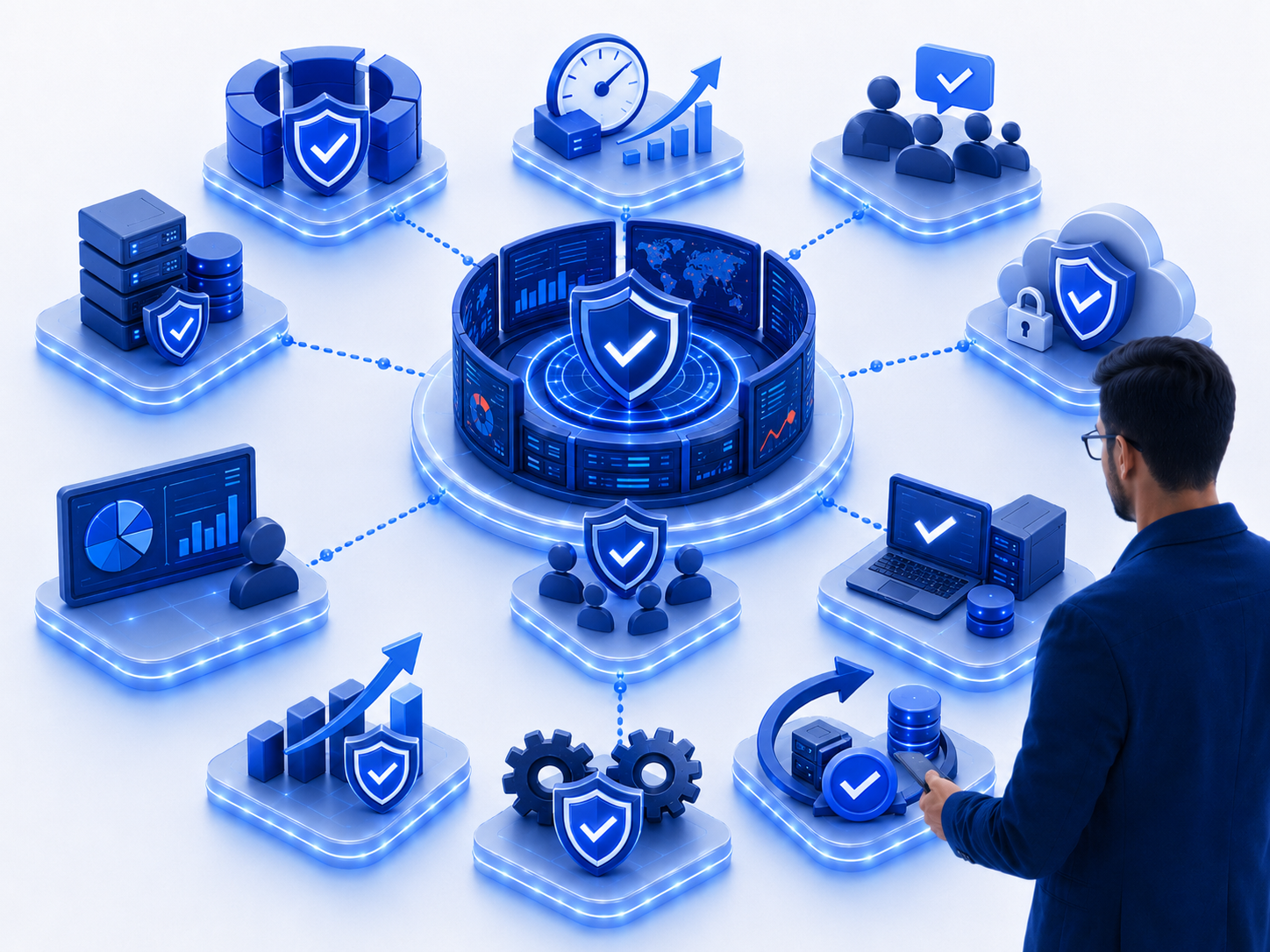
🛡️ Reduced Incident Impact – Contain threats before compromise expands across critical business environments.
⏱️ Faster Threat Containment – Accelerate decisions, isolation, access restriction, and attacker disruption.
🔄 Controlled Service Recovery – Restore affected operations through coordinated remediation and security validation.
🎯 Stronger Response Coordination – Align security, IT, leadership, and business teams during critical incidents.
📊 Greater Executive Visibility – Provide leadership with scope, impact, actions, priorities, and recovery status.
They provide structured support to triage incidents, establish scope, contain attacker activity, eradicate threats, coordinate recovery, and reduce business impact.
Engage when suspicious or confirmed activity involves ransomware, account compromise, unauthorized access, cloud intrusion, lateral movement, or significant operational risk.
Yes. Response support can rapidly establish severity, scope, ownership, containment priorities, stakeholder coordination, and immediate actions based on engagement arrangements.
Services can address ransomware, malware, identity compromise, cloud incidents, endpoint intrusion, unauthorized access, lateral movement, and other enterprise security events.
Containment actions are prioritized by threat severity, asset criticality, attack progression, operational dependency, and approved business-impact considerations.
Yes. CliffGuard can coordinate with existing SOC, MDR, IT, cloud, identity, network, leadership, and response stakeholders during incident handling.
Response practices can align with NIST SP 800-61 Rev. 3, NIST CSF 2.0, CISA incident-response playbooks, and MITRE ATT&CK.
CliffGuard combines rapid incident response, attack scoping, threat containment, eradication, and recovery coordination to help organizations regain control during critical incidents, minimize operational disruption, protect essential business services, and restore affected environments securely and confidently.
Respond decisively when every minute matters. CliffGuard helps security teams determine incident scope, disrupt attacker activity, contain affected systems, protect critical assets, and coordinate secure recovery while reducing business impact and strengthening resilience against future incidents.