










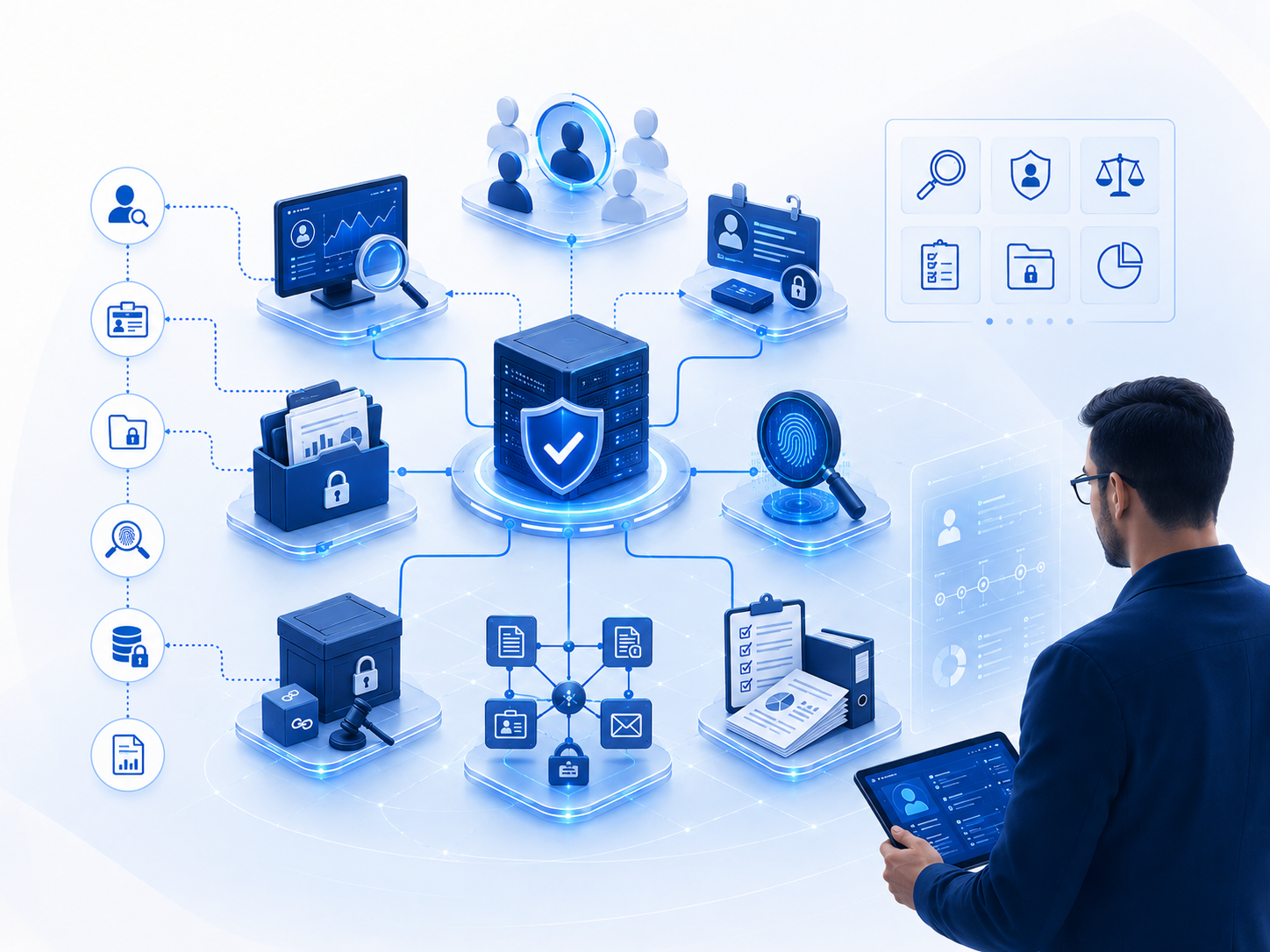
From Insider Activity to Evidence
Establishing Clarity
Insider incidents can involve unauthorized data access, intellectual property misuse, credential abuse, privilege misuse, suspicious data movement, policy violations, or deliberate sabotage by employees, contractors, partners, or other trusted individuals. CISA defines insider threat broadly to include harmful use of authorized access, whether intentional or unintentional.
CliffGuard’s Insider Threat & Corporate Investigation Services help enterprises preserve digital evidence, reconstruct user activity, investigate suspected misuse, trace data access and movement, and establish defensible findings. Investigations are conducted within authorized scope and can support security, legal, HR, compliance, and executive stakeholders.
Insider Threat Investigations examine evidence associated with suspected misuse of legitimate access, compromised trusted accounts, inappropriate data handling, privilege abuse, or other harmful activity involving individuals with organizational access. CISA’s insider-threat model emphasizes detecting and identifying concerning activity, assessing it, and managing the threat.
Corporate Investigations apply digital investigative and forensic techniques to authorized internal matters such as data or intellectual-property misuse, system abuse, suspicious access, policy violations, departure-related activity, and cyber-enabled misconduct. Findings should establish observable activity and evidence rather than prematurely assigning intent or culpability.
CliffGuard combines digital forensics, insider-threat analysis, identity investigation, data-access reconstruction, and cross-source correlation using practices informed by CISA insider-threat guidance, NIST SP 800-86, and NIST SP 800-61 Rev. 3. NIST defines digital forensics around evidence identification, collection, examination, analysis, integrity, and chain of custody.
👤 Insider Activity Investigation – Reconstruct suspicious employee, contractor, administrator, and other trusted-user activity across enterprise systems.
📂 Data & Intellectual Property Investigation – Trace sensitive-data access, copying, downloads, transfers, sharing, and potential misuse.
🔐 Identity & Privilege Analysis – Examine authentication, account activity, privilege use, sessions, credentials, and unauthorized access patterns.
💻 Digital Forensic Analysis – Examine authorized endpoint, cloud, application, file, log, and other relevant digital evidence.
🗂️ Evidence Preservation & Correlation – Preserve relevant artifacts and correlate multiple evidence sources into defensible investigative timelines.
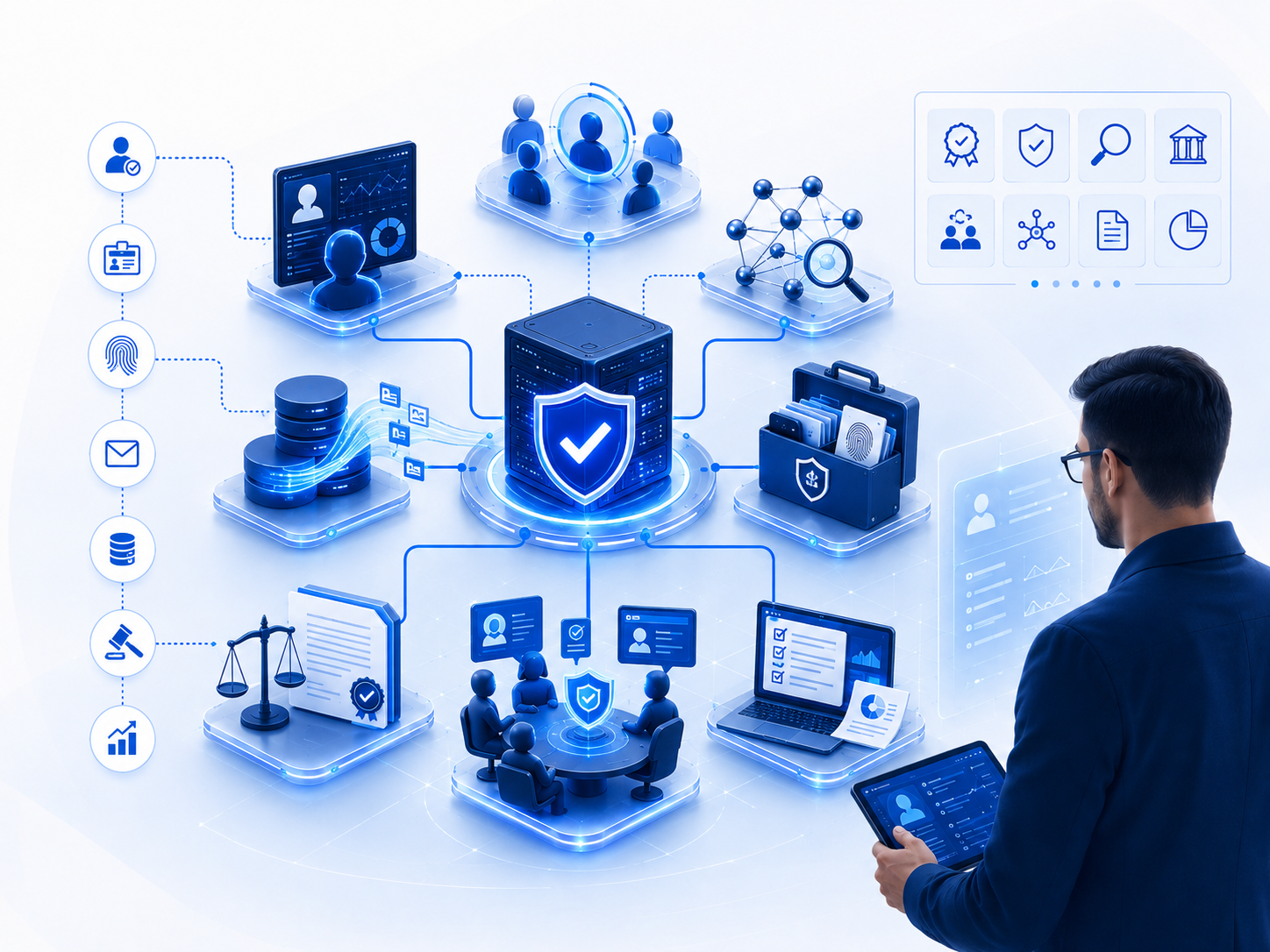
Define the investigation objective, allegation or concern, authorized systems, individuals, evidence sources, stakeholders, privacy requirements, and escalation boundaries. Coordinate appropriate involvement from security, HR, legal, compliance, or management before evidence collection where required. CISA highlights multidisciplinary participation, including HR, in insider-threat management.
Identify and preserve relevant endpoint artifacts, identity events, email or collaboration records where authorized, cloud and SaaS logs, file activity, access records, and security telemetry. Document acquisition and handling to protect evidence integrity.
Examine user actions, authentication, privileges, applications, files, communications metadata, removable-media activity where available, cloud services, and data movement. Correlate sources to establish who accessed what, when, from where, and through which systems.
Build evidence-based timelines and test investigative hypotheses against available artifacts. Distinguish confirmed activity, supported inferences, unexplained events, and evidence gaps rather than assuming malicious intent solely from anomalous behavior.
Document investigative methods, timelines, findings, supporting evidence, limitations, and outstanding questions. Provide technical and executive findings that can support containment, access changes, remediation, HR processes, legal review, or additional investigation as determined by the organization.
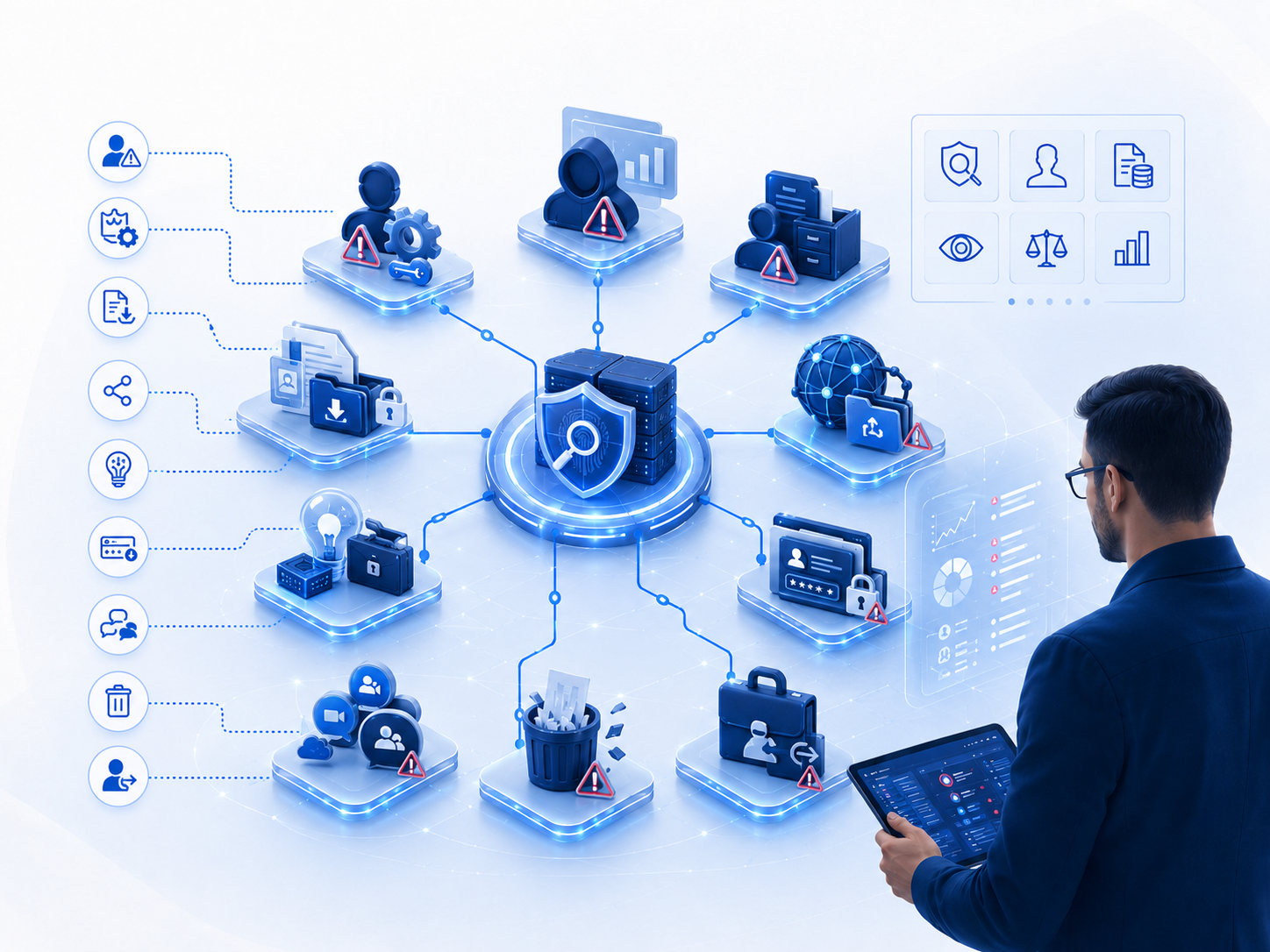
📂 Sensitive Data Misuse – Investigate unauthorized access, copying, downloads, transfers, sharing, or handling of protected information.
💡 Intellectual Property Concerns – Trace access and movement involving proprietary files, designs, source material, or business information.
🔐 Account & Privilege Misuse – Examine inappropriate account use, privilege escalation, shared credentials, and administrative activity.
🚪 Departure-Related Activity – Investigate unusual access, downloads, transfers, or data movement surrounding workforce departures.
💻 Technology Misuse – Examine unauthorized systems, applications, storage, removable media, or other corporate technology activity.
🌐 Unauthorized External Sharing – Trace suspicious uploads, personal cloud storage, external destinations, and unapproved collaboration channels.
🤝 Trusted-User Collusion – Correlate evidence involving coordinated access, sharing, or activity across multiple authorized individuals.
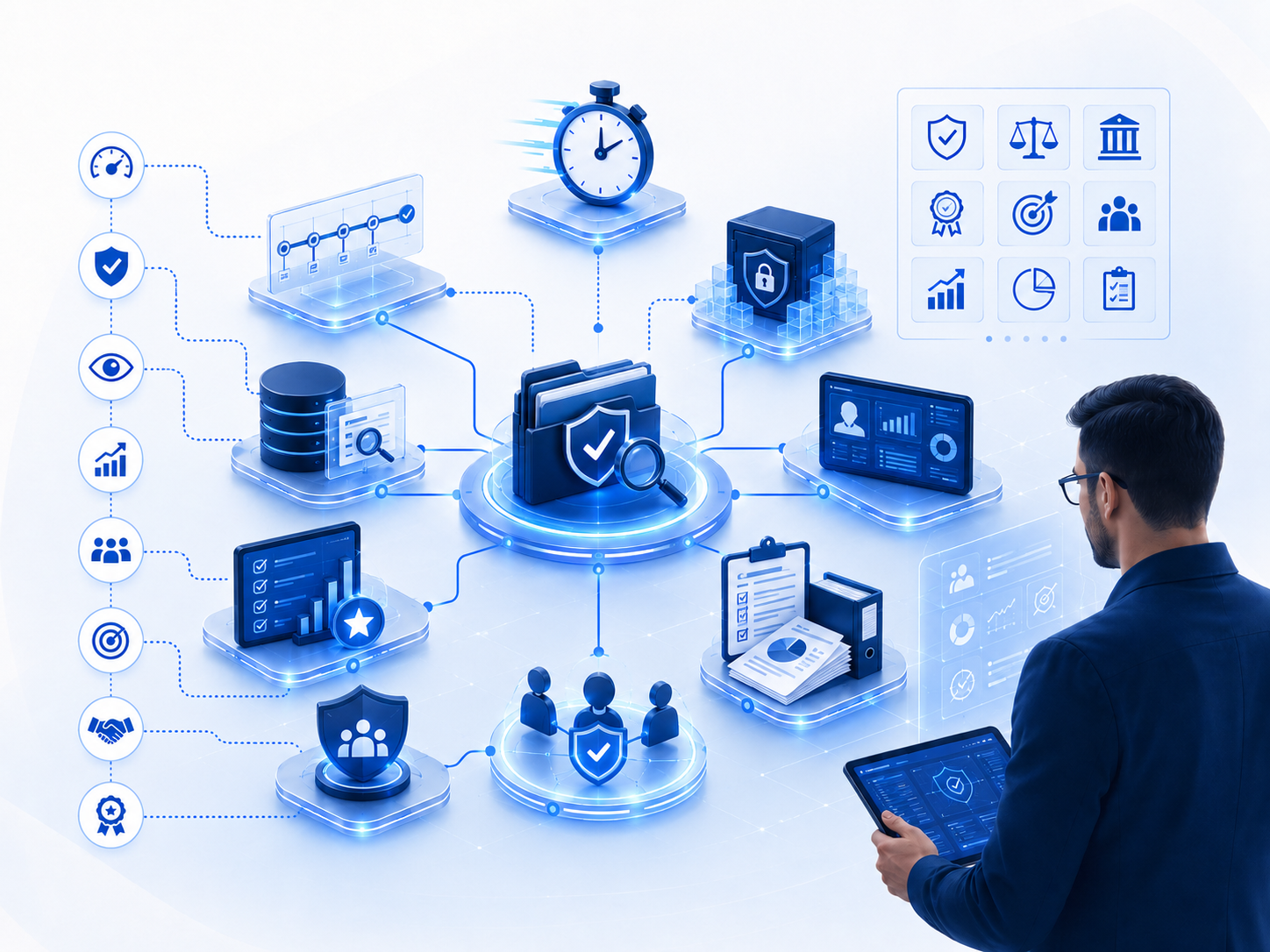
🔍 Clearer Investigation Findings – Establish what occurred, when, which accounts were involved, and what was affected.
📂 Greater Data Exposure Clarity – Determine which sensitive information was accessed, moved, shared, or potentially misused.
🗂️ Stronger Evidence Integrity – Preserve and document relevant digital evidence using structured forensic practices.
⏱️ Faster Internal Decisions – Provide evidence for security, HR, legal, compliance, and executive response decisions.
🛡️ Reduced Insider Exposure – Identify access weaknesses, control gaps, and investigation-driven remediation priorities.
📊 Greater Executive Confidence – Translate technical evidence into clear findings, impact, limitations, and actions.
They use digital evidence, forensic analysis, identity activity, data-access records, and security telemetry to investigate suspected insider misuse or cyber-enabled corporate misconduct. CISA recognizes that insider threats may involve intentional or unintentional misuse of trusted access.
Investigations can address data misuse, intellectual-property concerns, account or privilege abuse, suspicious transfers, departure-related activity, unauthorized sharing, system misuse, and other authorized internal matters.
Digital evidence can establish observable actions, access, timelines, data movement, and technical context, but intent may require HR, legal, management, and other evidence. CliffGuard distinguishes verified findings from assumptions and unsupported conclusions.
Depending on authorization and availability, evidence can include endpoint artifacts, authentication events, file activity, cloud and SaaS audit records, security logs, access records, network telemetry, and other relevant digital artifacts.
The investigation scope should be defined according to organizational authority, applicable policy, privacy requirements, employment considerations, and legal guidance. CliffGuard focuses collection and analysis on authorized evidence relevant to defined investigative objectives.
Digital forensics is an investigative discipline used to acquire, preserve, examine, and analyze evidence. Insider threat and corporate investigations apply those techniques to specific internal concerns while also correlating identity, access, data, and organizational context.
Deliverables may include evidence inventories, activity timelines, affected accounts and data, validated findings, evidence limitations, investigation conclusions, remediation priorities, and executive reporting.
CliffGuard combines insider threat investigation, digital forensics, identity analysis, data-access reconstruction, and evidence correlation to establish what happened, clarify potential exposure, validate suspicious activity, and give enterprise stakeholders defensible findings for informed action.
Move from suspicion to substantiated findings. CliffGuard reconstructs user activity, identity events, sensitive-data access, system interactions, and digital timelines to help enterprises investigate internal incidents confidently while protecting evidence integrity and supporting coordinated decision-making.